
Board Certified Allergist & Immunologist
Blog
Autoimmune
Autoimmune
Beyond the Cough: Unmasking the Myriad Symptoms of Long COVID
Discover 200+ Long COVID symptoms, from fatigue to brain fog. Learn about causes, diagnosis, and how to manage your chronic condition.

March 11, 2026
15 MInutes

What Long COVID Really Means for Your Health
Long COVID symptoms affect millions worldwide, appearing weeks or months after the initial infection—even if it was mild or asymptomatic. If you have persistent fatigue, brain fog, shortness of breath, or other symptoms that won't go away, you're not alone.
Common Long COVID Symptoms:
- Extreme fatigue that doesn't improve with rest
- Brain fog (difficulty concentrating, memory problems)
- Post-Exertional Malaise (PEM) - symptoms worsen after physical or mental activity
- Shortness of breath or persistent cough
- Heart palpitations or chest pain
- Sleep disturbances
- Digestive issues (diarrhea, nausea, stomach pain)
- Joint and muscle pain
- Dizziness or lightheadedness
- Changes in smell or taste
- Mood changes (anxiety, depression)
Long COVID—also called Post-COVID Conditions (PCC) or Post-Acute Sequelae of SARS-CoV-2 (PASC)—is a chronic condition occurring after SARS-CoV-2 infection that persists for at least 3 months. It's not contagious, and estimates suggest 10% to 35% of people who've had COVID-19 experience it. The condition can affect multiple organ systems, with symptoms that may fluctuate over time.
Over 200 symptoms are linked to Long COVID, ranging from mild to severe. They can emerge, persist, resolve, and reemerge unpredictably. Some people develop Long COVID even without obvious initial symptoms, with issues appearing weeks or months after a seeming recovery.
I'm Dr. Doug Jones, a board-certified immunologist specializing in complex immune challenges like Long COVID symptoms. At my practice, GAIN (Global Allergy Immune Network), I've helped hundreds of patients with the persistent, debilitating effects of Long COVID, guiding them toward understanding and relief.

A Head-to-Toe Guide to Over 200 Long COVID Symptoms
Long COVID isn't a single illness but a complex landscape of over 200 symptoms with varying severity. They can be new or a continuation of acute COVID-19 issues. The unpredictable way these symptoms emerge, persist, and resolve makes Long COVID a debilitating experience for many.

The "Big Three": Fatigue, Brain Fog, and PEM
Among the vast array of Long COVID symptoms, three stand out for their prevalence and impact: extreme fatigue, brain fog, and post-exertional malaise (PEM). Patients often tell us how these "Big Three" can hijack their lives.
Extreme fatigue in Long COVID is more than typical tiredness. Patients describe it as a profound, unrefreshing exhaustion that doesn't improve with rest, severely limiting their ability to function. They may feel drained after basic activities like showering or preparing a meal.
Brain fog, or cognitive impairment, is another hallmark. It includes difficulty thinking clearly, concentrating, remembering information, or finding words. This can make everyday tasks, work, and social interactions incredibly challenging.
Perhaps the most defining symptom for many is Post-Exertional Malaise (PEM). This is a debilitating worsening of symptoms after even minor physical or mental exertion. Crucially, PEM has a delayed onset, with symptoms worsening 12 to 48 hours after activity and lasting for days or weeks. This makes energy management difficult, as even a short walk can trigger a crash. Understanding PEM is vital, as pushing through it can prolong recovery. You can learn more about PEM from Long COVID Physio.
Neurological and Psychological Symptoms
The neurological and psychological impact of Long COVID is extensive, with a wide spectrum of symptoms affecting the brain and mental well-being:
- Headaches: Persistent, severe headaches, often resistant to typical pain relievers and lasting for days or weeks. They may feel like constant pressure or throbbing.
- Sleep Problems: Significant sleep disturbances, including insomnia (difficulty falling or staying asleep) or hypersomnia (excessive sleep without feeling refreshed), which worsen fatigue and brain fog.
- Dizziness or Lightheadedness: Often experienced when changing positions, such as standing up. This can be linked to conditions like Postural Orthostatic Tachycardia Syndrome (POTS).
- Pins-and-Needles Sensation (Paresthesia): Unusual sensations like tingling, prickling, or numbness in the limbs.
- Altered Smell or Taste: Anosmia (loss of smell) and dysgeusia (altered taste) can persist. Some experience parosmia, where normal smells become distorted and unpleasant.
- Depression and Anxiety: The chronic nature of Long COVID symptoms can lead to new or worsened anxiety, depression, and mood swings. The American Medical Association highlights the importance of looking out for psychiatric sequelae in Long COVID patients.
- Post-Traumatic Stress Disorder (PTSD): Symptoms of PTSD can emerge, especially for those who had severe COVID-19 or prolonged hospital stays.
Cardiopulmonary and Respiratory Symptoms
The respiratory and cardiovascular systems are frequently affected by Long COVID, impairing physical activity and quality of life.
- Shortness of Breath (Dyspnea): A common complaint of feeling winded during activities that were previously easy, like climbing stairs.
- Persistent Cough: A lingering, often dry and irritating, cough can persist for months.
- Chest Pain: Sharp or dull chest pain, which can be constant or intermittent.
- Heart Palpitations: A racing, pounding, or fluttering heart, even at rest. Our experience confirms these cardiac symptoms are very real and frightening. It's not uncommon for heart rates to spike dramatically from simply standing up. If you're experiencing these issues, please know that you're not alone, and you're not imagining it.
- Postural Orthostatic Tachycardia Syndrome (POTS): This condition, often triggered by viral infections, is frequently seen with Long COVID. It causes an abnormal heart rate increase upon standing, leading to dizziness, fatigue, and other symptoms.
Other Common Symptoms Across the Body
Long COVID can manifest in various other ways, affecting almost every system:
- Digestive Issues: Persistent stomach pain, diarrhea, constipation, acid reflux, or nausea are common. Many report new food intolerances.
- Joint and Muscle Pain: Aching or sharp pain in multiple joints or muscles that can flare up unpredictably.
- Skin Rashes: Various skin issues, including rashes, itching (pruritus), or red spots.
- Menstrual Cycle Changes: Many women experience irregularities in their menstrual cycles.
- Hair Loss: Significant hair loss can occur, adding to the distress.
- Temperature Regulation Issues: This can include frequent low-grade fevers, chills, or excessive sweating unrelated to the environment.
The sheer diversity of Long COVID symptoms underscores the systemic nature of this condition and the need for a comprehensive, personalized approach to care.
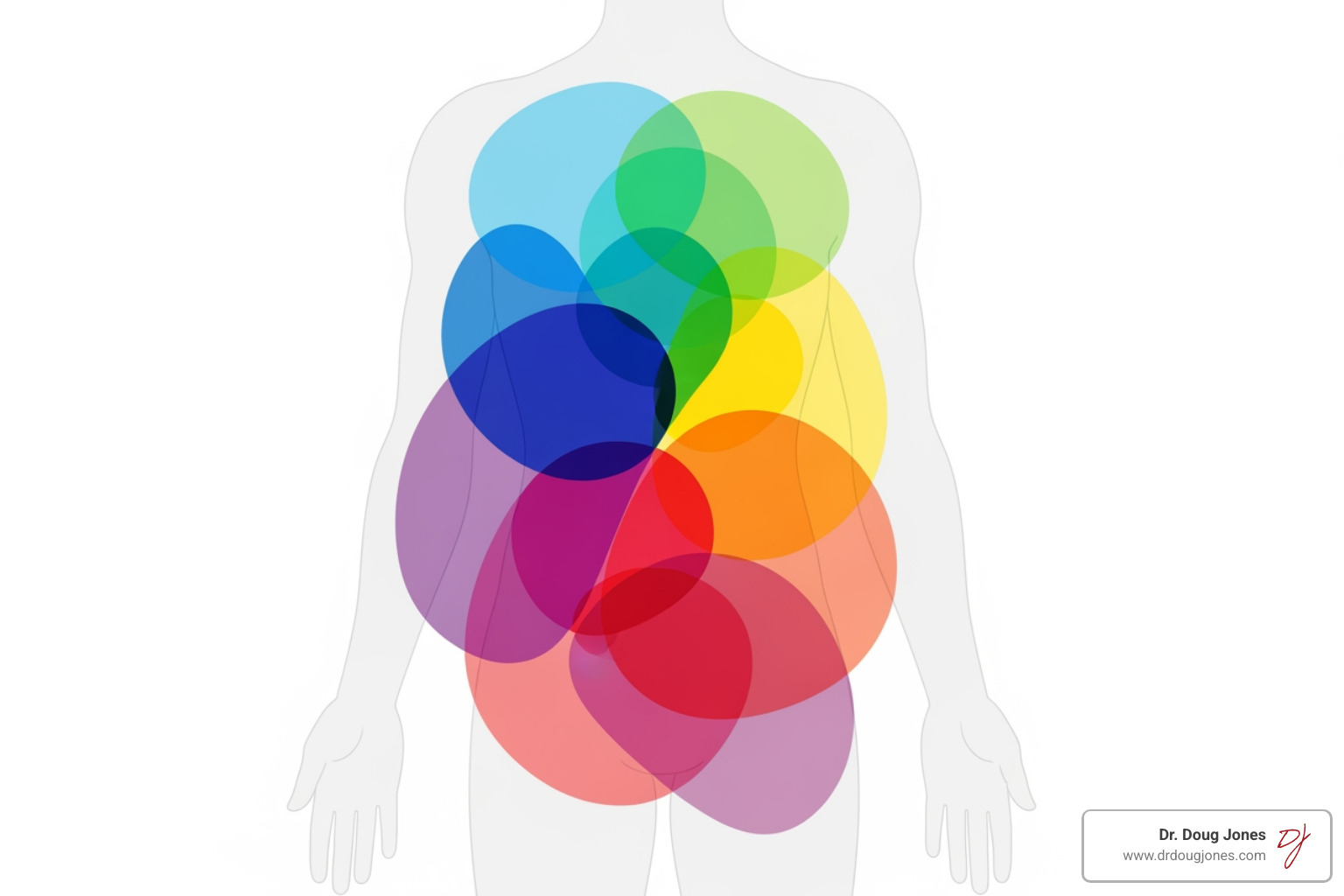
Symptom Clusters: Are There Patterns to Long COVID?
While Long COVID symptoms are extensive, research suggests they often group into recognizable patterns or "clusters." A systemic review in eClinicalMedicine, analyzing 64 studies with 2.4 million people, suggests Long COVID is a collection of overlapping symptoms, not a single condition. This research offers critical insights into the main symptom patterns.
The review identified common symptom clusters, including neurologic, respiratory, olfactory/gustatory, cardiopulmonary, and fatigue. When patients were classified by affected organ systems, distinct patterns emerged:
- Respiratory Cluster: The most common cluster, affecting an estimated 47% of patients. Symptoms include shortness of breath, persistent cough, and chest tightness.
- Neurologic Cluster: Affecting 31% of patients, this cluster includes brain fog, headaches, dizziness, and altered smell or taste.
- Gastrointestinal Cluster: Affecting 28% of patients, this cluster includes digestive issues like diarrhea, abdominal pain, and nausea.
Fatigue, alone or with other symptoms, was the most frequently identified symptom cluster. Understanding these clusters is crucial for developing personalized, effective care strategies. You can read more in the systemic review on symptom patterns in eClinicalMedicine.
How Demographics and Variants Influence Symptoms
The experience of Long COVID is not uniform; demographics and the specific COVID-19 variant can influence the type and severity of Long COVID symptoms.
- Influence of Sex: Women are more likely to develop Long COVID than men and are more prone to fatigue and neuropsychiatric symptoms. Men more frequently report respiratory symptoms.
- Age-Related Symptoms: Older individuals tend to have higher rates of respiratory, cardio-renal, and ear, nose, and throat (ENT) symptoms.
- Race and Ethnicity Differences: Health inequities play a role. Black and Hispanic populations are more prone to respiratory/cardiac and neuropsychiatric symptoms, while White individuals tend to have higher rates of fatigue and musculoskeletal symptoms.
- COVID-19 Variants: Different variants can lead to different symptom profiles. The Alpha variant was strongly associated with olfactory (smell) and respiratory symptoms, while the Delta variant increased the risk of ENT-related symptoms.
- Socioeconomic Factors: Socioeconomic deprivation and comorbidities like COPD are associated with an increased risk of cardiopulmonary symptoms and a higher overall symptom burden.
These insights show that Long COVID requires an individualized approach that considers a patient's unique background.
Why Does It Happen? Potential Causes and Risk Factors
Why Long COVID occurs is a pressing medical mystery. While researchers are still investigating, several leading theories are emerging about the underlying causes of Long COVID symptoms.
Potential Underlying Causes and Mechanisms:
- Immune System Dysregulation: A prominent theory is that SARS-CoV-2 infection leads to persistent immune system dysregulation. This can involve ongoing inflammation, an inadequate antibody response, or awakening dormant viruses, causing widespread symptoms. This dysregulation, like a smoke alarm that won't turn off, can cause inflammation and damage. Understanding how the immune system can be dysregulated is key to grasping Long COVID. Get a deeper understanding of your body's defenses in Immunity 101: What Your Immune System Actually Does—and What People Get Wrong.
- Autoimmunity: The viral infection may trigger an autoimmune response, where the body's immune system mistakenly attacks its own healthy tissues, contributing to multi-organ effects.
- Viral Persistence in Reservoirs: Fragments of the SARS-CoV-2 virus might persist in "reservoirs" within the body (like the gut), perpetuating inflammation and immune responses.
- Microvascular Dysfunction: The virus may damage the lining of tiny blood vessels (microvasculature), impairing blood flow and oxygen delivery and explaining symptoms like fatigue and brain fog.
- Vagus Nerve Damage: Damage to the vagus nerve, which connects the brain to many vital organs, could explain a wide array of Long COVID symptoms, from digestive issues to heart rate irregularities.
Who Is Most at Risk for Developing Long COVID?
While anyone who gets COVID-19 can develop Long COVID, certain groups are at higher risk:
- Severity of Acute COVID-19 Illness: A higher risk is seen in those with severe COVID-19, especially if hospitalized. However, mild or asymptomatic cases can also lead to Long COVID.
- Underlying Health Conditions: Individuals with pre-existing conditions like cardiovascular disease, diabetes, or autoimmune disorders appear more susceptible.
- Demographic Factors: Women are more likely to develop Long COVID than men. Hispanic and Latino people and adults aged 65 or older also face a higher risk.
- Unvaccinated Status: Research shows that unvaccinated people are more likely to develop Long COVID compared to vaccinated individuals. Vaccination is the best available tool to prevent Long COVID.
- Health Inequities: Broader health inequities related to disability, economic status, and other social factors can increase risk for certain groups.
Understanding these mechanisms and risk factors is a critical step toward developing effective prevention and treatment strategies for Long COVID symptoms.
Navigating Your Health: Diagnosis, Management, and When to Seek Help
Living with Long COVID symptoms can be isolating and frustrating. The invisible, fluctuating symptoms are hard to explain, leading to misunderstanding or stigma and making navigating healthcare a challenge.
Getting a Diagnosis for Your Long COVID Symptoms
Obtaining a clear diagnosis for persistent Long COVID symptoms is a challenge. There is no single diagnostic test, and routine labs may not show abnormalities. A positive SARS-CoV-2 test is not required.
Instead, a diagnosis is based on a comprehensive clinical evaluation, which involves:
- Detailed Health History: Your doctor will ask about your COVID-19 history, symptom evolution, and their impact on your life.
- Physical Examination: A thorough physical exam helps assess your health and rule out other causes.
- Documenting Symptoms: Keeping a detailed diary of your symptoms (onset, duration, severity, triggers) is invaluable for your provider.
- Ruling Out Other Conditions: Your doctor will perform tests to exclude other medical conditions that could be causing your symptoms.
For a formal diagnosis, symptoms must be present for at least three months after the initial infection. This can be a long process. If you feel dismissed by your doctor, advocating for your health is crucial. We've compiled advice in our guide, "8 Tips for When You Don't Feel Heard by Your Doctor."
Treatment and Management Strategies for Long COVID Symptoms
Since there's no single cure, treatment focuses on managing individual Long COVID symptoms and improving quality of life, often requiring a multidisciplinary approach.
- Symptom-Based Treatment: Your healthcare team will help you identify and manage your most bothersome symptoms with targeted medications and therapies.
- Pacing for PEM: For those with Post-Exertional Malaise (PEM), pacing is a critical strategy. It involves carefully managing energy to avoid crashes by balancing activity with rest.
- Physical Rehabilitation: Gradual, carefully monitored physical rehabilitation can help with muscle weakness and respiratory issues, often supervised by therapists who understand Long COVID.
- Cognitive Rehabilitation: Specialized techniques can help improve memory, concentration, and executive function for those with brain fog.
- Breathing Exercises: Respiratory therapists can teach techniques to manage shortness of breath and improve lung function.
- Multidisciplinary Clinics: Specialized Long COVID clinics offer a coordinated approach, bringing together various specialists to address the wide range of symptoms.
- Overlap with ME/CFS: Many Long COVID symptoms, especially fatigue and PEM, resemble Myalgic Encephalomyelitis/Chronic Fatigue Syndrome (ME/CFS). Management strategies often overlap, focusing on pacing and supportive care. We dig deeper into this in our article on Chronic Fatigue Syndrome.
- Post-Intensive Care Syndrome (PICS): Those who had severe COVID-19 may also develop PICS, which involves muscle weakness, cognitive problems, and PTSD. PICS can complicate recovery. Find more information on PICS from the Society of Critical Care Medicine.
Managing Long COVID requires patience, self-compassion, and a collaborative relationship with your healthcare providers.
Frequently Asked Questions about Long COVID
We often receive many questions about the nature and duration of Long COVID symptoms. Here, we address some of the most common inquiries.
How long can Long COVID symptoms last?
The duration of Long COVID symptoms is highly variable. For some, symptoms improve within months, while for others, they persist for months or even years, often fluctuating in intensity. Symptoms can be continuous, relapsing-remitting, or progressive. While many see improvement within 3 to 6 months, a substantial number of people continue to struggle beyond this timeframe.
Can vaccination prevent or reduce Long COVID?
Yes, evidence suggests COVID-19 vaccination is the best tool to prevent Long COVID. It reduces the risk of infection and the severity of illness if one occurs. Preventing severe outcomes like hospitalization is key to preventing Long COVID. Staying up-to-date on vaccinations, good hygiene, and cleaner air are important preventive measures, as confirmed by the CDC.
What are the potential long-term complications?
The long-term complications of Long COVID can be extensive and affect multiple organ systems, particularly for those who had severe acute COVID-19.
- Multi-Organ Effects: This can involve damage or dysfunction in the heart, lungs, kidneys, skin, and brain, which can persist for months or years.
- Autoimmune Conditions: Immune dysregulation from COVID-19 can sometimes lead to new or exacerbated autoimmune conditions.
- New or Worsening Health Conditions: People who have had COVID-19 may be more likely to develop new or worsening health conditions, including:
- Diabetes
- Heart conditions
- Blood clots (which can lead to strokes)
- Neurological conditions
The impact of these complications can be profound, leading to significant functional limitations and, in some cases, disability. Recognizing Long COVID symptoms as a potential cause of disability is important for accessing support. The U.S. Department of Health and Human Services (HHS) offers guidance on "Long COVID" as a Disability Under the ADA.
Your Path Forward with Long COVID
We've explored the complex landscape of Long COVID symptoms, from the debilitating "Big Three" to symptom clusters, causes, diagnosis, and management.
Our key takeaway is that Long COVID is a real, chronic, and debilitating condition requiring a personalized approach to care. If you have persistent Long COVID symptoms, you are not alone, and your symptoms are valid. The medical community, including specialists like Dr. Doug Jones, is working to solve its complexities and provide pathways to relief.
Finding a knowledgeable healthcare provider who validates your experience and understands the nuances of Long COVID is paramount. This partnership is essential for navigating the diagnostic process and developing a management plan for your unique needs. At Dr. Doug Jones's practice, we specialize in redefining complex immune challenges, empowering individuals with lasting relief through personalized care and education, much like we do for patients seeking understanding for post-vaccine syndrome.
Your journey with Long COVID may be challenging, but with the right support and management strategies, improving your quality of life is an achievable goal.