
Board Certified Allergist and Immunologist
Blog
Allergies
Allergies
Food Allergy SOS: Your Guide to Treatment and Relief
Find effective food allergy relief. Explore diagnosis, emergency response, advanced treatments like OIT/biologics, and prevention.

February 19, 2026
15 MInutes

Why Food Allergy Relief Matters Now More Than Ever

Food allergy relief is no longer limited to strict avoidance and emergency epinephrine. Today's approach combines immediate safety measures with breakthrough treatments that can actually reduce your sensitivity to allergens.
Quick Answer: Your Food Allergy Relief Options
- Immediate Protection - Carry epinephrine auto-injectors and avoid trigger foods
- Medical Treatment - FDA-approved medications like Xolair reduce reactions to multiple foods
- Immunotherapy - Oral immunotherapy (OIT) and sublingual immunotherapy (SLIT) gradually builds tolerance under medical supervision
- Prevention - Early introduction of allergens to high-risk infants can prevent allergies from developing
- Emerging Therapies - Clinical trials are testing new approaches including biologics, skin patches, and gut microbiome treatments
Almost 6% of people in the United States had a food allergy in 2021. That's millions of individuals navigating constant vigilance, reading every ingredient label, and carrying emergency medication everywhere they go.
The emotional weight is real. Many parents feel guilt over their child's allergies, but we now know these conditions are multifactorial, involving genetics and environmental factors beyond anyone's control.
But here's the good news: the landscape of food allergy treatment has transformed dramatically in recent years.
In February 2024, the FDA approved Xolair as the first medication to reduce allergic reactions to multiple foods after accidental exposure. In clinical trials, 68% of people treated with Xolair could tolerate a dose of peanut protein without moderate to severe symptoms, compared to only 6% who received placebo.
We've also seen FDA approval of Palforzia, the first oral immunotherapy for peanut allergy in children. However, this medication may be going off the market due to expert allergists effectively utilizing real food at a fraction of the cost instead. A published survey from the Food Allergy Support Team, a non-profit 501(c)3 dedicated to food allergy diagnostics and treatment showed that >95% of patients treated with oral immunotherapy use real food. Research shows that early introduction of allergenic foods can prevent allergies from developing in the first place. And dozens of new therapies are in clinical trials right now.
This shift from pure avoidance to proactive treatment represents hope for millions.
This guide will walk you through everything you need to know about food allergy relief, from diagnosis and emergency care to the latest treatment options. You'll find practical strategies for daily life and guidance on accessing the newest therapies.
I'm Dr. Doug Jones, a board-certified immunologist who has spent over a decade treating patients with complex immune conditions including food allergies at GAIN—Global Allergy Immune Network. I've helped thousands of patients find real, lasting food allergy relief through evidence-based, personalized care that goes beyond simply managing symptoms.
Understanding and Diagnosing Your Food Allergy
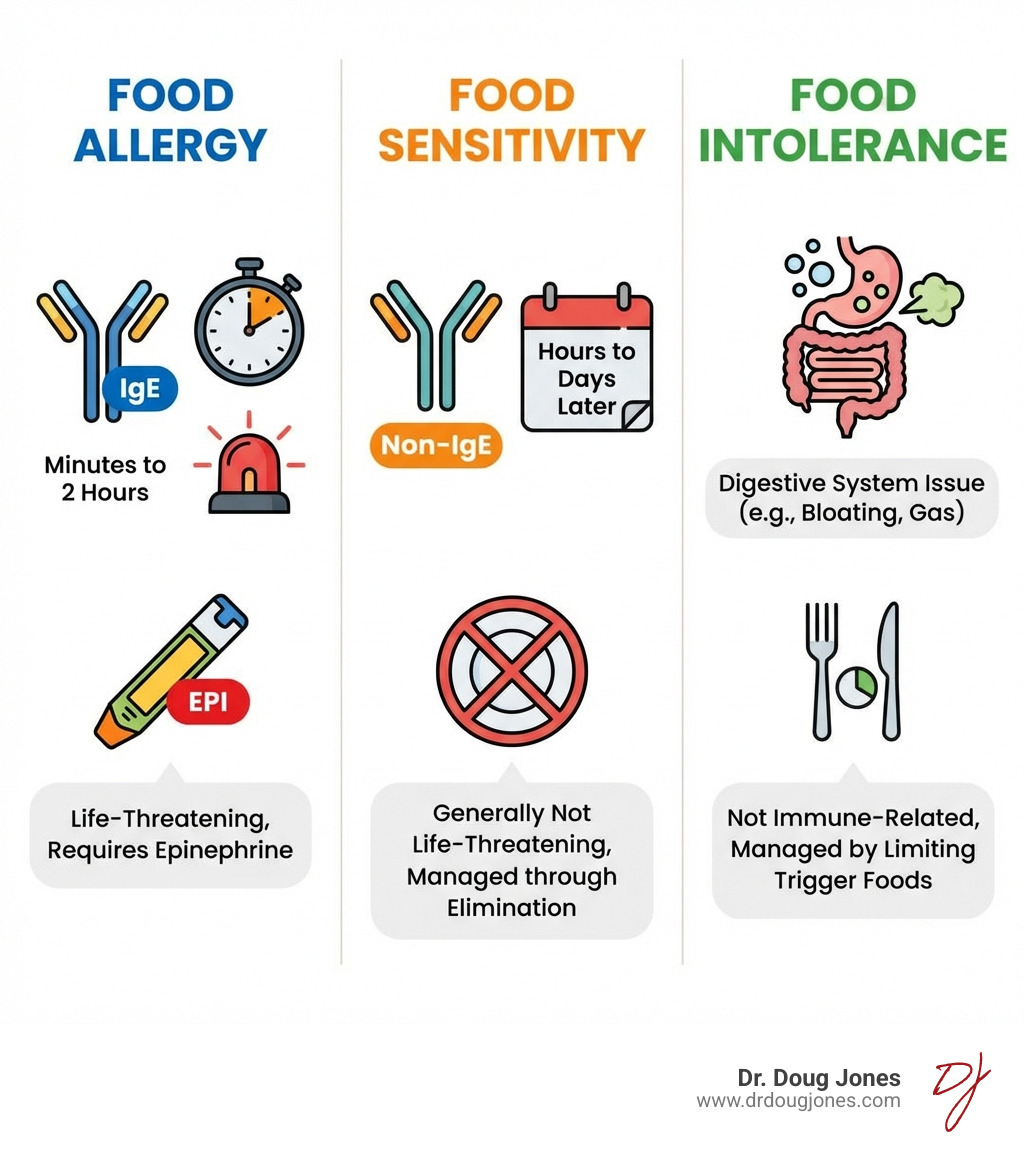
Before we can talk about food allergy relief, we need to understand what a food allergy truly is. An allergy is an immune system overreaction, specifically involving Immunoglobulin E (IgE) antibodies, to a normally harmless food protein. This IgE-mediated response is why symptoms often appear rapidly, typically within minutes to two hours of eating the offending food.
The most common food allergens in children include milk, eggs, and peanuts. For adults, common culprits often shift to pollen (leading to oral allergy syndrome), peanuts, tree nuts, fish, and shellfish. Interestingly, children frequently outgrow allergies to milk and eggs, while peanut and tree nut allergies tend to persist throughout life.
It's also important to understand cross-reactivity. This is when your body reacts to proteins in one food that are similar to proteins in another. For example, if you're allergic to peanuts, you might also react to tree nuts like pecans or walnuts, or even other legumes in rare cases. Similarly, a shrimp allergy might mean you're also sensitive to crab or lobster. However, a positive test to a cross-reactive food doesn't automatically mean you'll react to it, especially if you've tolerated it well in the past. To learn more about the distinctions between various food reactions, read our guide on Food Intolerances, Sensitivities, and Allergies: What's the Difference?.
How is a Food Allergy Diagnosed?
Diagnosing a food allergy isn't straightforward and requires several factors. Your healthcare team will start with a detailed medical history, asking about your symptoms, what you ate, how quickly they appeared, and your family's allergy history.
Next, a physical examination helps us assess your overall health. Then, we might move to specific tests:
- Skin-prick tests: Small amounts of suspected food allergens are pricked onto your skin. A raised bump indicates a potential allergic reaction, with results typically available in about 20 minutes. However, a positive result alone isn't enough to confirm an allergy.
- Blood tests (IgE): These tests measure the amount of allergy-related IgE antibodies in your blood in response to particular foods. Results usually take about a week. Like skin tests, liftd IgE levels indicate sensitization, not necessarily a clinical allergy.
- Oral food challenges: Considered the most accurate diagnostic method, this involves consuming gradually increasing amounts of a suspected food allergen under strict medical supervision. If you don't react, the allergy is ruled out. This test is crucial for confirming allergies or determining if one has been outgrown.
- Elimination diets: Under medical guidance, you might eliminate suspect foods and then reintroduce them one at a time. While helpful for identifying trigger foods, these diets can't differentiate between a true allergy and a food sensitivity and aren't safe for severe allergies.
It's vital to consult a board-certified allergist for accurate diagnosis and management. They can interpret test results in context and guide you through the process. For a deeper dive into testing methods, explore Food Allergy Testing 101 and Explore Mayo Clinic studies on diagnosis.

Immediate Response: Managing Acute Allergic Reactions
The cornerstone of immediate safety is strictly avoiding trigger foods. This means carefully reading labels, understanding precautionary statements like "may contain" (which are not legally regulated), and knowing alternative allergen names. While the Food Allergy Labeling and Consumer Protection Act (FALCPA) mandates clear labeling for the top eight allergens in the U.S., it doesn't cover all products, like meat, poultry, some egg products, or alcohol.
Beyond avoidance, knowing how to react when an allergic reaction occurs is paramount. For comprehensive guidance, you can refer to Recognizing and Treating Reaction Symptoms.
Recognizing Mild vs. Severe Symptoms
Allergic reactions can vary widely, even in the same person, and can range from mild to life-threatening. Symptoms usually appear within minutes to two hours after exposure.
Mild symptoms might include:
- Hives (a few, isolated)
- Itching (mild, localized)
- Runny nose, sneezing
- Itchy mouth or ears
- Mild nausea or stomach discomfort
However, a reaction becomes severe if:
- It involves any severe symptom, regardless of how many body areas are affected.
- It involves mild symptoms in more than one body area (e.g., hives and mild stomach discomfort).
Severe symptoms require immediate attention:
- Shortness of breath, wheezing, repetitive cough
- Pale or blue skin, feeling faint, weak pulse, dizziness
- Tightness in the throat, hoarse voice, trouble breathing or swallowing
- Significant swelling of the tongue or lips
- Many hives over the body, widespread redness
- Repetitive vomiting, severe diarrhea, sudden abdominal pain
- A feeling of impending doom, anxiety, confusion
The unpredictable nature of food allergies means that even if previous reactions were mild, a future exposure could lead to a severe, life-threatening event.
What is Anaphylaxis and How is it Treated?
Anaphylaxis is the most severe form of allergic reaction and a medical emergency. It's a rapidly progressing, potentially fatal reaction that can impair breathing and cause a sudden drop in blood pressure. It's triggered when exposure to an allergen causes a flood of chemicals throughout the body.
The first-line treatment for anaphylaxis is epinephrine (adrenaline). It's the only medication that can reverse the life-threatening symptoms of anaphylaxis. If anaphylaxis is suspected, administer epinephrine immediately. After administering epinephrine, call 911 (or your local emergency services) without delay. Inform the dispatcher that epinephrine was used for a suspected food-induced anaphylactic reaction and request an ambulance with epinephrine on board. You must go to the emergency room for further treatment and observation, even if symptoms appear to resolve. This is because about 20% of individuals can experience a biphasic reaction, where symptoms return hours after the initial reaction. Hospital observation, typically for 4-6 hours, helps manage this risk.
For an in-depth guide on recognizing and responding to anaphylaxis, consult the Anaphylaxis Symptoms and Emergency Response Guide.
The Role of Epinephrine for Immediate Food Allergy Relief
Epinephrine auto-injectors are lifesavers for anyone with a severe food allergy. These devices deliver a pre-measured dose of epinephrine quickly and easily. Brands like EpiPen, Auvi-Q, and Adrenaclick are common, and a nasal spray device called neffy is also available.
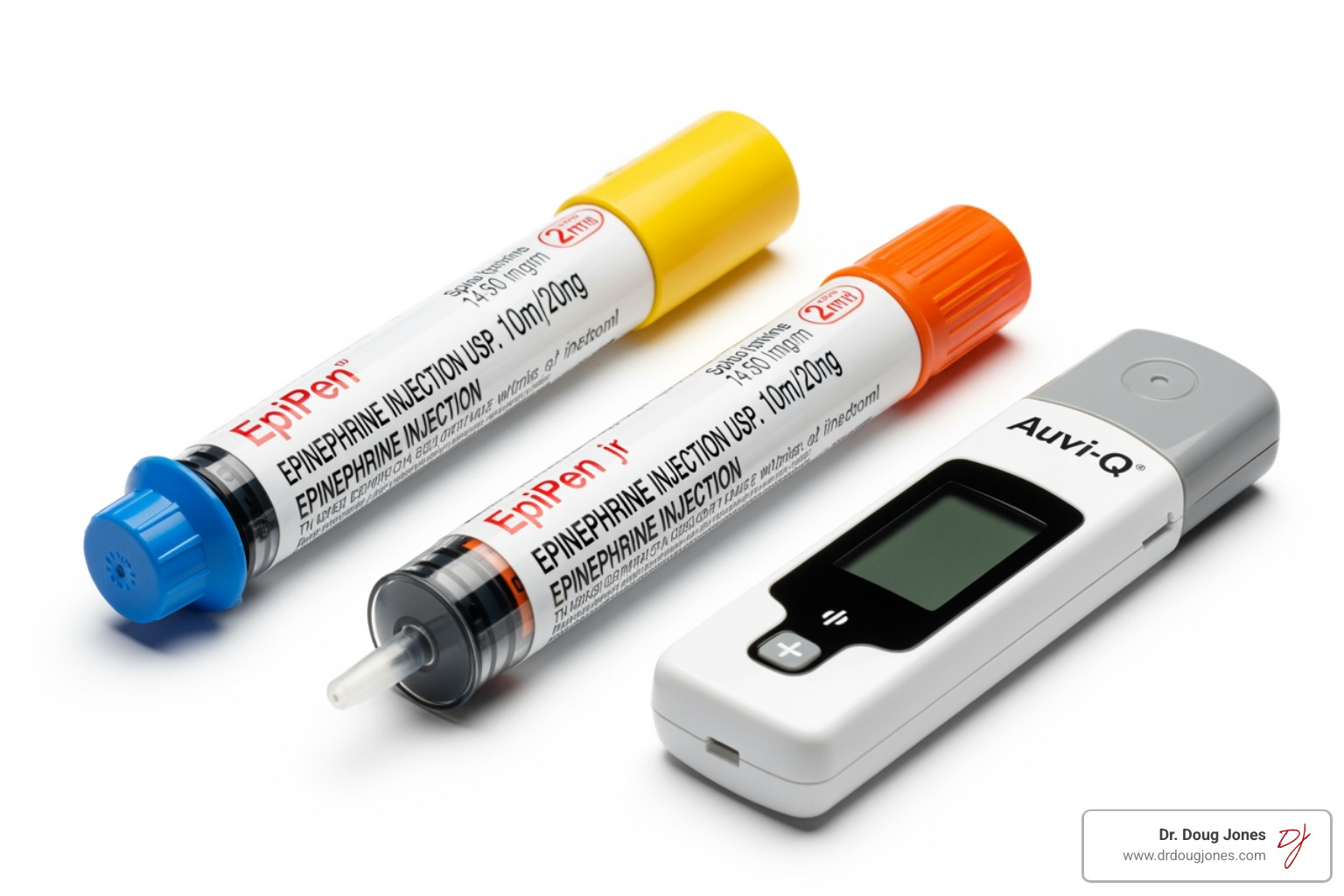
Epinephrine works by rapidly constricting blood vessels to increase blood pressure, relaxing the muscles in the airways to improve breathing, and reducing swelling. It counteracts the effects of the allergic reaction throughout the body.
It's crucial to carry two doses of your epinephrine auto-injector at all times. This is because of the possibility of a biphasic reaction, or if the first dose doesn't fully resolve the symptoms. We recommend administering epinephrine at the very first sign of a severe allergic reaction or as prescribed by your allergist. When in doubt, use it! The risks of anaphylaxis far outweigh any risks associated with epinephrine, which is a safe and relatively harmless drug.
While antihistamines like Benadryl can help with mild symptoms like hives or itching, they are not a substitute for epinephrine in a severe allergic reaction. They do not prevent or treat anaphylaxis. For more on this, check out Debunking the Myths About Benadryl (Diphenhydramine).
Advanced Treatments for Long-Term Food Allergy Relief
While avoidance and emergency medication are critical, the landscape of food allergy relief is evolving toward advanced treatments that build tolerance. These immunotherapies aim to reduce reaction severity, allowing patients to consume small amounts of their allergens safely. This marks a shift from management to proactive intervention. To learn more, read our article A New Era in Food Allergy Treatment: OIT, SLIT, and Biologics Explained.
Oral Immunotherapy (OIT) and Sublingual Immunotherapy (SLIT)
OIT and SLIT involves giving you or your child tiny, increasing amounts of a food allergen over time, under strict medical supervision. The idea is to "retrain" the immune system to tolerate the food, gradually building up to a maintenance dose. OIT is given orally and SLIT is given as drops under the tongue
- How OIT/SLIT works: It aims to desensitize the body, meaning that while on treatment, this can significantly reduce the severity of accidental exposures. With OIT, patients can get to a point of not having to avoid the food and can incorporate that food into their diets freely. With SLIT, the goal is more to have protection against accidental exposures and patients will typically still avoid the food. After extended treatment, some patients can incorporate foods freely into the diet even with SLIT. Both of these programs are done under the direction of board certified allergists and their teams. Treatment programs are individualized and patients need to follow the instructions of their provider.
- Gradual dose increase: The process starts with a minuscule dose, often in an allergist's office, followed by daily home doses that slowly increase over months. Regular follow-up visits are essential for dose escalation and monitoring for reactions.
- Medically supervised setting: OIT must always be done under the care of a board-certified allergist. It is not something you should ever attempt on your own due to the risk of allergic reactions.
- FDA-approved peanut OIT (Palforzia): In January 2020, the U.S. FDA approved PALFORZIA™ (AR101) for the treatment of peanut allergy in children aged 4-17 years. This was a groundbreaking step for peanut food allergy relief. However, this product may be going off the market as most patients are being treated now with real food without the pharmaceutical product. It did give some doctors and the medical societies more confidence in OIT, so that was a positive. Ultimately, I feel it has proven costly and unnecessary.
- Desensitization vs. tolerance vs. sustained unresponsiveness:
- Desensitization: This means you can eat more of your food allergen without reacting, but only as long as you continue taking routine doses of the allergen. If you stop, the desensitization effect may wear off.
- Tolerance: This is a more complete state where you can eat the food without a reaction even after stopping the treatment.
- Sustained unresponsiveness: This term describes the ability to eat the food without an allergic reaction after stopping OIT for a period of time (usually weeks).
Even with OIT, continued avoidance of the allergen and carrying epinephrine are still recommended.
Biologic Medications: Anti-IgE Therapy
Biologic medications represent a significant advancement in food allergy relief. These therapies target specific components of the immune system involved in allergic reactions.
- How Anti-IgE therapy works: Our immune system produces IgE antibodies that trigger allergic reactions. Anti-IgE therapy, like omalizumab (Xolair), works by binding to and neutralizing these IgE antibodies, preventing them from initiating the allergic cascade. This essentially raises the threshold for reactions, making accidental exposures less dangerous.
- Omalizumab (Xolair): This prescription injection has been a game-changer. Originally approved for asthma and chronic hives, Xolair has now received FDA approval for food allergies.
- FDA approval for multiple food allergies: In February 2024, the U.S. FDA approved Xolair for immunoglobulin E-mediated food allergy in certain adults and children 1 year or older. It's designed to reduce allergic reactions (Type I), including the risk of anaphylaxis, that may occur with accidental exposure to one or more foods. This is the first medication approved for this purpose. You can read the official announcement here: FDA Approves First Medication to Help Reduce Allergic Reactions to Multiple Foods After Accidental Exposure.
- Xolair statistics from clinical trials: The OUtMATCH trial, a multi-center, double-blind, placebo-controlled study, demonstrated Xolair's effectiveness.
- 68% of subjects receiving Xolair could eat a single dose of peanut protein (600mg or greater) without moderate to severe allergic symptoms, compared to 6% of those on placebo.
- For cashew, 42% of Xolair recipients achieved this endpoint compared to 3% on placebo.
- For milk, 66% of Xolair recipients achieved this endpoint compared to 11% on placebo.
- For egg, 67% of Xolair recipients achieved this endpoint compared to 0% on placebo.
- Not an emergency treatment: Xolair is a preventive measure to reduce the risk of reactions from accidental exposure; it is not for the emergency treatment of allergic reactions or anaphylaxis. You must continue to avoid your food allergens and carry your epinephrine auto-injector.
- Potential side effects and risks associated with Xolair: Like any medication, Xolair has potential side effects. The most serious risk is anaphylaxis, which can occur after any dose. Other serious side effects include cancer, fever, muscle aches, rash, and parasitic infections. Common side effects in people with food allergy include injection site reactions and fever. Your doctor will discuss these risks with you.
Other Immunotherapy Approaches for Food Allergy Relief
Beyond OIT and anti-IgE therapy, other forms of immunotherapy are being explored and developed to provide further food allergy relief.
- Epicutaneous Immunotherapy (EPIT):
- How the skin patch works: EPIT involves applying a patch to the skin that contains small amounts of a food allergen. The allergen is absorbed through the skin, aiming to desensitize the immune system without direct oral exposure.
- Current status of EPIT: EPIT is still largely in clinical trials, but it shows promise, particularly for peanut allergy. It offers a less invasive alternative to OIT.
- Sublingual Immunotherapy (SLIT):
- How under-the-tongue drops work: Similar to OIT, SLIT involves placing small amounts of a liquid allergen extract under the tongue, where it's absorbed by the mucous membranes. This is typically done daily at home.
- SLIT aims to build tolerance over time, much like OIT, but with potentially fewer systemic reactions because the allergen isn't directly ingested into the digestive system. SLIT for food allergies is also primarily an investigational therapy.
Choosing the right treatment path is a highly personalized decision that should be made in consultation with your allergist. For more insights into various options, explore Food Allergy Treatment Options: Finding the Right Fit for You.
The Future of Treatment and Prevention
The field of food allergy relief is constantly evolving, with dedicated researchers and clinicians working tirelessly to uncover new ways to treat and prevent these conditions. We are on the cusp of exciting breakthroughs that could further transform how we approach food allergies. For a glimpse into these advancements, see our article on Food Allergy Breakthrough.
Emerging Therapies on the Horizon
Beyond approved treatments, a range of innovative therapies are being investigated:
- Dietary supplements: While not a primary treatment, some dietary supplements and probiotics are being studied for their potential role in modulating the immune system and gut microbiome, which may influence allergy development and severity. However, their role in food allergy management is still largely undefined and not recommended as primary treatment.
- Probiotics and the gut microbiome: Research is exploring how altering the gut microbiome through probiotics or prebiotics might impact allergic responses. A healthy gut microbiome is known to play a role in immune regulation, and imbalances are often observed in individuals with allergies. This area holds potential for future therapeutic strategies.
- Gene therapy concepts: This is a highly experimental area, but gene therapy aims to correct the underlying genetic predispositions that contribute to food allergies. While still in very early stages, it represents a long-term vision for a potential cure.
- T-cell therapies: T-cells are crucial immune cells involved in allergic reactions. T-cell therapies aim to re-educate these cells to recognize food allergens as harmless, preventing an allergic response. This is another cutting-edge area of research.
- The role of clinical trials: All these emerging therapies undergo rigorous testing in clinical trials. These studies are essential for determining the safety and effectiveness of new treatments before they can be approved for widespread use. Participating in a clinical trial can offer access to cutting-edge therapies and contribute to scientific advancement. You can find ongoing studies by visiting Find food allergy clinical trials.
Preventing Food Allergies in Infants
A significant shift in food allergy relief has been in prevention. For decades, parents were told to delay introducing allergenic foods to infants, but robust research has reversed this advice.
- Shift in guidelines: Current guidelines now recommend the early introduction of allergenic foods to infants, particularly those at high risk. This shift is based on compelling evidence that delaying introduction may actually increase the risk of developing food allergies.
- LEAP study findings: The landmark LEAP (Learning Early About Peanut) study, published in 2015, demonstrated that early and sustained introduction of peanut significantly reduced the development of peanut allergy in high-risk infants. In fact, high-risk infants who were introduced to peanut early had only a 3.2% chance of developing a peanut allergy, compared to 17.2% in those who avoided it until 5 years old.
- Recommendations for high-risk infants: For infants at high risk (e.g., those with severe eczema or an existing egg allergy), allergists now recommend introducing allergenic foods like peanut and cooked egg between 4-11 months of age, guided by developmental readiness. Once introduced and tolerated, these foods should be consumed regularly (2-3 times per week) to maintain tolerance.
- Egg allergy prevention: Similar to peanuts, early introduction of cooked egg has been shown to reduce the risk of egg allergy. For more detailed information on managing egg allergies and early introduction strategies, refer to Egg Allergy: Key Facts, Early Introduction, and Management in Children and Adults.
It's important to consult with your pediatrician or allergist before starting early allergen introduction, especially if your infant has existing allergies or severe eczema. They can provide personalized guidance and ensure a safe approach.
Living and Thriving with Food Allergies
Managing food allergies involves daily vigilance beyond medical treatments. The constant need to check ingredients, ask questions, and prepare for emergencies creates a significant burden. We understand The Emotional Load of Food Allergy Hypervigilance and are here to support you.
Practical Strategies for Daily Life
Living with food allergies requires practical strategies to ensure safety and maintain quality of life.
- Eating out challenges: Dining out can be particularly challenging. We recommend always communicating your allergies clearly to restaurant staff. Ask to speak to the chef or manager, and use "chef cards" that detail your specific allergens. Stress the need for non-contaminated preparation surfaces to avoid cross-contact. When in doubt, don't eat it.
- Involving family and caregivers: Educating your support network is crucial. Family members, babysitters, teachers, and other caregivers need to understand the seriousness of food allergies, know how to avoid allergens, and be trained in emergency procedures, including how to administer an epinephrine auto-injector. Simple preventive steps like careful hand-washing and cleaning surfaces can make a big difference.
- School action plans: For children with food allergies, a written emergency action plan at school is essential. This plan should outline the child's specific allergies, symptoms to watch for, and steps to take in an emergency, including epinephrine administration. The School Access to Emergency Epinephrine Act (PL 113-48) encourages states to have epinephrine auto-injectors available in schools, but it's still vital to ensure your child's specific prescription is on hand and that school personnel are trained. For practical advice on managing allergies during special times, consider Navigating the Holidays with Food Allergies: Reducing Stress, Setting Boundaries, and Staying Safe.
Finding Support and Advocating for Yourself
You are not alone on this journey. Finding support and advocating for your needs are vital components of food allergy relief.
- Support groups and online communities: Connecting with others who share similar experiences can provide invaluable emotional support, practical tips, and a sense of community. Many online forums and local support groups exist to help individuals and families steer the challenges of food allergies.
- Advocating for access to therapies: As new treatments emerge, advocating for their accessibility and coverage is important. This can involve engaging with patient advocacy organizations, speaking with policymakers, and working with your healthcare provider to understand insurance coverage options.
- Psychosocial aspects: Living with food allergies can have significant psychological impacts, including anxiety, fear, and social isolation. Addressing these psychosocial aspects is just as important as managing the physical symptoms. For deeper understanding, explore Psychosocial Aspects of Food Allergies.
- Speaking up for yourself: It's important to feel heard by your doctor and healthcare team. If you feel your concerns aren't being adequately addressed, don't hesitate to seek a second opinion or prepare thoroughly for your appointments. Our article 8 Tips for When You Don't Feel Heard by Your Doctor offers helpful advice.
Conclusion
The journey to food allergy relief has changed remarkably. We've moved from solely focusing on avoidance to a future where proactive treatments and prevention strategies offer genuine hope.
From accurate diagnosis through rigorous testing to immediate emergency response with epinephrine, the foundational steps remain crucial. Yet, the advent of advanced therapies like Oral Immunotherapy (OIT) and biologic medications such as Xolair are revolutionizing what's possible, offering individuals a chance to reduce their risk of severe reactions and experience greater freedom. The ongoing research into emerging therapies and the paradigm shift towards early allergen introduction in infants underscore a collective commitment to a world where food allergies are no longer a life-limiting condition.
Empowerment comes through education and proactive management. By staying informed about the latest advancements, working closely with expert allergists, and building strong support systems, we can steer the complexities of food allergies with confidence.
At Dr. Doug Jones, we are committed to providing personalized, evidence-based care that not only manages symptoms but also empowers you or your loved one to achieve lasting food allergy relief. We believe in understanding your unique immune challenges and working together to redefine your health.
Ready to take the next step in bolstering your body's defenses? Learn more about strengthening your immune system and how it plays a pivotal role in overall health and allergy management.