
Board-Certified Allergist & Immunologist, Founder of GAIN
Blog
Podcast
Podcast
What Happens When a $4,000 Peanut Butter Gets Pulled? A UK Allergist Explains
If you told a food allergy family that the only FDA-style approved treatment for their child's peanut allergy was being pulled from the market — not because it was dangerous, but because nobody was buying it — they'd probably have questions.
March 11, 2026
4 min read

If you told a food allergy family that the only FDA-style approved treatment for their child's peanut allergy was being pulled from the market — not because it was dangerous, but because nobody was buying it — they'd probably have questions. A lot of questions.
That's exactly what's happening right now with Palforzia, and depending on which side of the Atlantic you're standing on, the fallout looks completely different.
In Episode 34 of The Immune Edit, Dr. Doug Jones sits down with Dr. Adam Fox, Professor of Pediatric Allergy at King's College London and one of the UK's most respected food allergy specialists. Their conversation cuts straight to something most patients never think about: the healthcare system you live under directly shapes the treatment you can access — even when the science says you should have options.
Two Systems, Same Patients
Dr. Fox has spent his career navigating the UK's National Health Service while also running a private allergy practice in London. That dual perspective gives him an unusually clear view of how systems help and hinder patient care.
In the UK, the NHS provides care free at the point of service — which sounds ideal until you factor in the waiting lists, the limited specialist access, and the deeply ingrained philosophy of doing as few tests and interventions as possible. For conditions like food allergy, where early intervention can be transformative, that hands-off approach means a lot of kids are waiting when they could be getting better.
In the US, the opposite problem exists. There's freedom to use treatments off-label, to innovate in private practice, and to offer real-food oral immunotherapy without needing a pharmaceutical product. But access still isn't equal — once you get outside major cities, specialist allergy care gets thin fast.
The $4,000 Jar of Peanut Butter
Here's where it gets interesting. Palforzia — essentially pharmaceutical-grade peanut powder in a capsule — was licensed as a drug. In the US, it made a big marketing splash but was barely adopted. According to surveys from the Food Allergy Support Team (FAST), fewer than 5% of allergists were using it. Why? Because American allergists already had the freedom to treat with real food, and it was working. Over 144,000 patients have been treated with real-food OIT effectively.
In the UK, the dynamics were completely different. Once a product gets its license from the MHRA (the UK equivalent of the FDA), doctors generally cannot use an unlicensed alternative — even if that alternative is literally just peanuts. So when Palforzia was approved through the NHS's NICE evaluation, it was supposed to be a breakthrough moment. The press release projected thousands of children treated per year.
The reality? Fewer than 100 children across the entire UK received Palforzia through the NHS. The approval came with zero funding behind it.
Privately, families who could afford it paid enormous amounts for what was, at its core, peanut powder. And now that Palforzia is being pulled from the market entirely — not for safety reasons, but for sales — the consequences split in two directions.
What the Pullout Actually Means
For US allergists, the impact is minimal. Most weren't using Palforzia anyway. Real-food OIT continues as it has been.
For UK families, it's more complicated. On one hand, the removal of the licensed product means allergists like Dr. Fox can finally offer peanut OIT with actual peanuts — without the regulatory handcuffs. The cost drops dramatically in the private sector. That's the good news.
The bad news: within the NHS, the 450 kids on Dr. Fox's hospital waiting list alone were told there's no longer a supported treatment, and there's no approved alternative to replace it. The system that was already failing to deliver is now back to square one.
The Collaboration That's Changing Things
One of the most hopeful threads in this conversation is about what happens when clinicians stop working in isolation. Dr. Jones founded FAST — a nonprofit community of allergists sharing openly about OIT protocols, outcomes, and lessons learned. No pharmaceutical sponsorship. No industry funding. Just allergists learning from allergists, for patients.
Dr. Fox credits that collaborative spirit with enabling UK allergy care to move forward. And the two of them are now planning to take this collaboration global — bringing US expertise to the UK and Europe through international meetings and cross-border knowledge sharing.
Mindset Matters More Than Most People Think
Dr. Fox closes with something that might surprise people: one of the biggest barriers to successful OIT isn't medical — it's psychological. Years of being told how dangerous their food allergy is leaves many patients paralyzed by fear when it's time to start treatment.
He uses an analogy borrowed from Dr. Jones: starting OIT is like a transatlantic flight. You know there will be turbulence. But when you feel the bumps, you don't grab a parachute and jump. You trust that the pilot will navigate to smoother air. And that's exactly what a good allergist does — adjusts the altitude, manages the bumps, and gets you where you're going.
Dr. Fox's clinic now includes a session with an allergy psychologist before starting any OIT program, specifically to help patients unpack the fear that's been built up over years of well-meaning but sometimes overstated risk messaging.
Listen to the Full Episode
This conversation covers a lot of ground — from how the NHS actually works, to why Grey's Anatomy gives British people unrealistic expectations about American healthcare, to what it felt like watching a $4,000 peanut powder come and go while real patients waited.
Catch the full episode on your preferred platform:
About the Guest
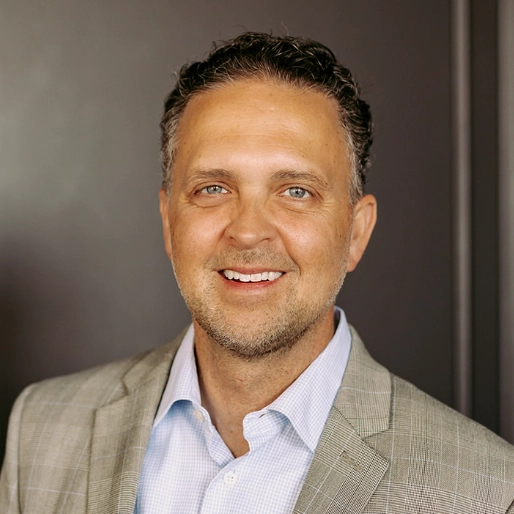
Dr. Adam Fox is a Professor of Pediatric Allergy at King's College London and practices at Great Ormond Street Hospital, one of the world's most well-known children's hospitals. He runs a leading private allergy clinic in London and has been at the forefront of expanding OIT access in the UK and Europe.
Ready to Take the Next Step?
If you or your child are dealing with food allergies and want to explore treatment options with a specialist who's been doing this for over a decade, GAIN is accepting new patients — both in-person in Salt Lake City and via telehealth.
🩺 Become a patient: myimmunenetwork.com
📱 Follow Dr. Doug Jones: @drdougjones on Instagram and TikTok
🌐 Learn more: drdougjones.com