
Board Certified Allergist & Immunologist
Blog
Podcast
Podcast
FPIES – The Delayed Food Allergy That Breaks All the Rules
Dr. Doug Jones dives into FPIES—the non-IgE food allergy causing delayed vomiting, pallor, and lethargy. Learn why it's often misdiagnosed as a stomach bug, common triggers, management tips, and emerging microbiome insights.

March 11, 2026
8 Minutes
In this episode of The Immune Edit Podcast, Dr. Doug Jones explores FPIES (Food Protein-Induced Enterocolitis Syndrome), a non-IgE-mediated food allergy that causes delayed, severe vomiting, pallor, and lethargy—often mistaken for a stomach bug. Learn why FPIES defies typical allergy rules, common triggers like rice and milk, diagnosis challenges, management strategies, and emerging insights into gut microbiome and neuroimmune connections. Essential awareness for parents and clinicians to prevent misdiagnosis and improve care.
What Is FPIES? A Real-Life Scenario
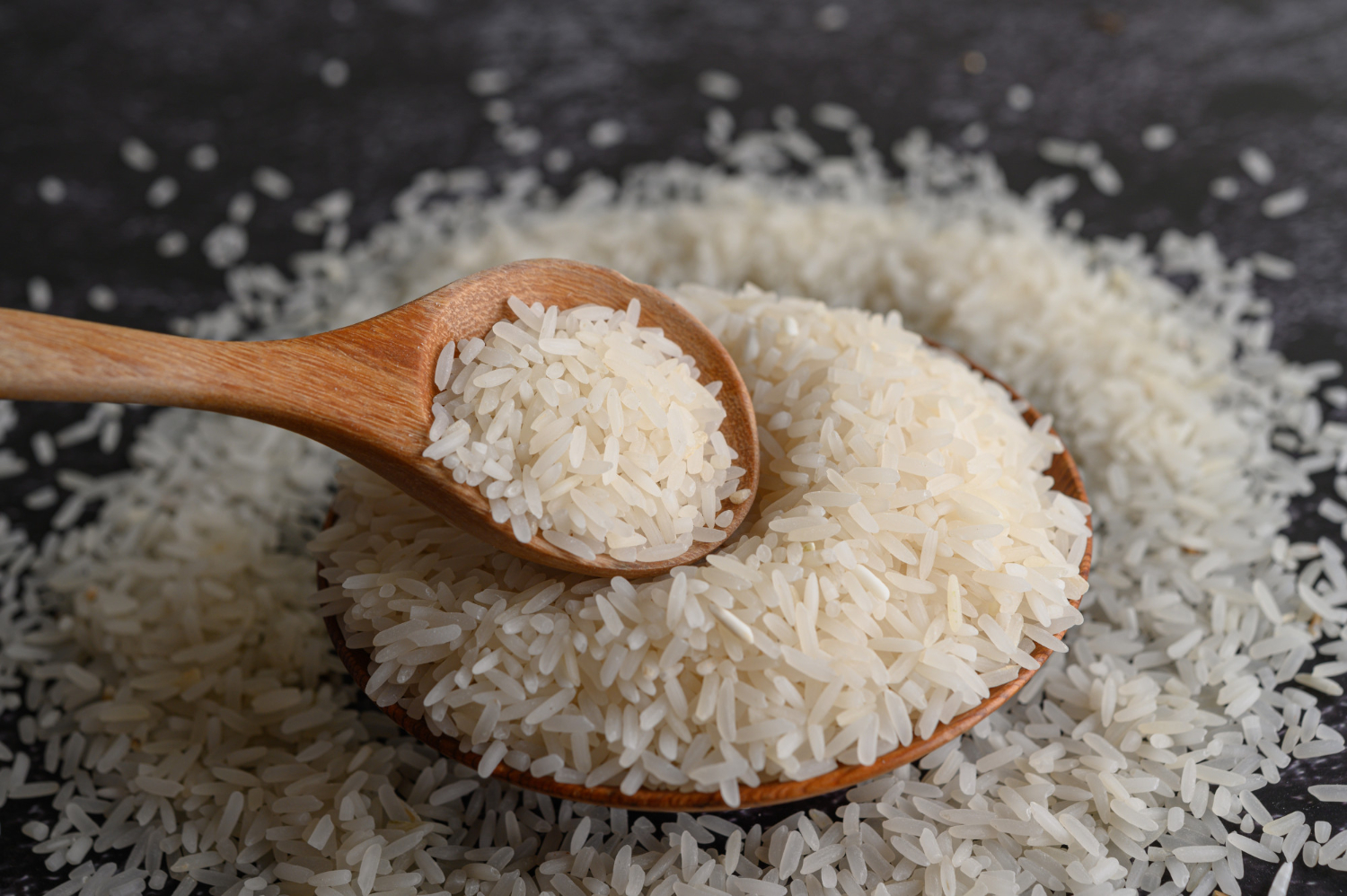
Your child eats some rice. Initially, nothing happens. Then, 1–4 hours later, relentless vomiting. They become pale, lethargic—but no hives or wheezing. You ride it out, but it's scary. The pediatrician says maybe a GI bug or food poisoning. Allergy tests are normal, so try rice again. The same happens: vomiting, pallor, lethargy.
Is it a food allergy? Yes. This is FPIES—Food Protein-Induced Enterocolitis Syndrome—a legitimate food allergy that didn't read the textbooks. It RSVPs to the party but shows up late and flips the tables.
FPIES vs. Typical Food Allergies
Traditional food allergies (IgE-mediated) cause quick histamine release, leading to anaphylaxis within minutes to 30 minutes.
FPIES is different:- Non-IgE-mediated (no histamine/tryptase release)- Symptoms occur 1–4 hours after ingestion (delayed onset)- No diagnostic biomarker—it's a clinical diagnosis based on history- Involves integrated signaling between gut, nervous system, and immune system
How FPIES Develops and Why It's Complex
FPIES pathophysiology (root cause) isn't fully understood but involves gut dysbiosis, neurophysiology, and inflammatory pathways. It's not just a gut issue—the gut hits the panic button, and the whole body joins the group chat.
Once thought pediatric-only, more adults likely have it than children. Radar must be high across all ages.
With early food introduction to prevent IgE allergies (since 2015 LEAP study), there's an uptick in FPIES cases (e.g., peanut, egg). Be cautious—early introduction is for IgE, not non-IgE like FPIES.
Common Triggers
Common FPIES triggers:- Grains (e.g., rice)- Milk- Eggs- Fruits and vegetables- Seafood (more common in adults)
Diagnosis Challenges
FPIES masquerades as GI bugs, viral gastroenteritis, sepsis, or surgical belly. It often requires repeated ER visits before linking to food—confounded by delayed reactions.
Families report a revolving door of specialists and unnecessary testing. No single test—patterns and clinical history are key. Food challenges (gold standard) are time-consuming, risky, and anxiety-provoking for all (15–20% risk of hypovolemic shock).
Management Strategies
A fourfold approach:- **Diet and Nutrition:** Work with a registered dietitian and doctor for individualized plans. Avoid offending foods—it's not one-size-fits-all.- **Emergency Preparation:** Treatment centers on hydration/rehydration (different from IgE allergies). Ondansetron and steroids may be considered. Have ER plans/letters ready.- **Emotional Support:** Unpredictable and life-threatening—get professional help for family anxiety, social isolation, hypervigilance.- **Reassess Tolerance:** Collaborate with a competent doctor experienced in FPIES food challenges (different from standard allergies).
Emotional Impact
FPIES carries a tremendous emotional load—navigating daycare, school, camps, travel, parties, holidays, every meal. Being unheard or dismissed fuels mistrust and trauma. Families may manage severe reactions at home after losing faith in ERs/medical systems. Eating becomes family-wide stress.
Emerging Topics and Hope
We need better understanding of FPIES pathophysiology to design treatments. Key frontiers:- Microbiome: Gut dysbiosis precedes and persists—could altering it induce tolerance?- Neuroimmune signaling: Interaction between nervous/immune systems and gut- Biologics: Potential role for dupilumab (more research needed; define endotypes)- Increasing recognition, better emergency protocols, clinician education
Shoutout to the International FPIES Association (f-pies.org)—excellent resources for families, advocates, clinicians, including ER letters, go-bags, and clinical trials.
Dr. Doug Jones’ Edits
- There is a food allergy with no hives—and it can still be severe
- If your child vomits 4 hours after a food and it's called a stomach bug, listen up
- Normal allergy tests don’t undiagnose food allergy—history is key
- Epinephrine isn’t the answer for FPIES
- Microbiome science is promising—pay attention
Thank you for tuning in to The Immune Edit. This show is separate from my clinical practice at Global Allergy Immune Network and is for educational purposes only.
Listen to the Full Episode
- Apple Podcasts: Subscribe on Apple Podcasts
- Spotify: Subscribe on Spotify
- YouTube: Watch & Subscribe on YouTube (@TheImmuneEdit)