
Dr. Doug Jones
Blog
Treatments
Treatments
Building a Bulletproof Body: Strategies for Total Immune Health
Build a bulletproof body! Explore how micronutrients, mushrooms, and lifestyle enhance comprehensive immune support.

February 6, 2026
Why Your Immune System Needs More Than Just "Eating Healthy"
Comprehensive immune support means giving your body the full spectrum of nutrients, compounds, and lifestyle factors it needs to defend against infection, clear damaged tissues, and maintain balance—not just during cold season, but every single day.
What Comprehensive Immune Support Includes:
- Essential micronutrients: Vitamins A, C, D, E, B6, B12, folate, plus zinc, iron, copper, and selenium
- Multiple mushroom species: Compounds like beta-glucans and polysaccharides that activate immune pathways
- Lifestyle foundations: Restorative sleep, stress management, and regular movement
- Targeted supplementation: Filling dietary gaps when food alone isn't enough
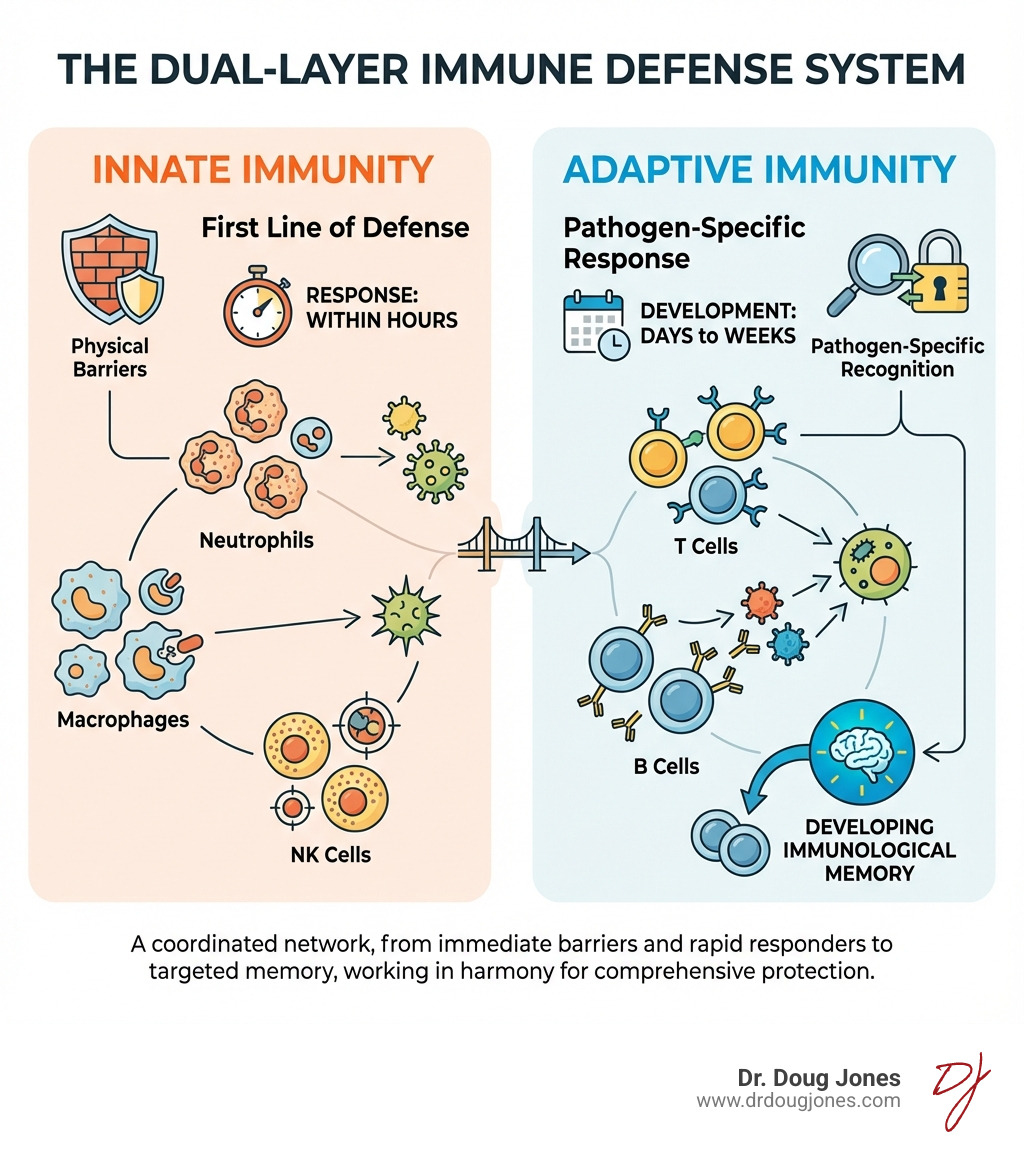
From the moment you're born, your body faces constant challenges from viruses, bacteria, and environmental stressors. Your immune system is a complex network of physical barriers, specialized cells, and chemical messengers working around the clock. But here's what most people miss: this integrated system needs multiple specific micronutrients working together—often in amounts higher than current dietary guidelines suggest.
Research shows that even marginal deficiencies can weaken immunity. In industrialized countries, multiple micronutrient deficiencies are surprisingly common and may increase infection risk. Meanwhile, situations like chronic stress, pollution, and ongoing infections further deplete your body's stores. The good news? A strategic, multi-layered approach to immune support can help fill these gaps.
I'm Dr. Doug Jones, a board-certified immunologist who has spent over a decade helping patients with complex immune challenges—from food allergies to long COVID—build resilient health through evidence-based strategies. My work with Comprehensive immune support centers on using established scientific principles to enhance immune function and overall health.
The Foundation: Micronutrients for a Resilient Immune System
Our immune system is an intricate defense network, constantly working to protect us. This complex, integrated system relies on a steady supply of specific micronutrients to function optimally at every stage of the immune response. When we talk about Comprehensive immune support, we're not just talking about a single nutrient, but a symphony of vitamins and minerals working in harmony.
These tiny but mighty compounds are crucial for maintaining the structural and functional integrity of our physical barriers—like our skin and mucous membranes—which are our body's first line of defense. They also play vital roles in the development, differentiation, and function of various immune cells, from the rapidly responding innate immune cells to the highly specialized adaptive immune cells. Without adequate micronutrients, our body's ability to mount an effective defense can be severely compromised.
Research highlights that micronutrient deficiencies, even marginal ones, can significantly impair immunity. For instance, micronutrients are essential for the proper functioning of physical barriers, the production of antimicrobial substances, and the activity of natural killer (NK) cells and phagocytes in our innate immune system. They are equally critical for the adaptive immune response, supporting the differentiation and proliferation of T cells and B cells, and the production of antibodies.
We've learned a lot about this over time. Historically, the importance of micronutrients in immune health was dramatically illustrated by diseases like scurvy, a vitamin C deficiency. James Lind's 1753 study, showing that citrus fruit cured scurvy, was an early testament to the power of specific nutrients in bolstering our body's defenses. Today, we understand these roles in far greater detail. For a deeper dive into how micronutrients support our defenses, you can explore detailed scientific reviews such as "A Review of Micronutrients and the Immune System–Working in Harmony to Reduce the Risk of Infection" from the National Center for Biotechnology Information: A Review of Micronutrients and the Immune System–Working in Harmony to Reduce the Risk of Infection.
The Power Trio: Why Vitamins C, D, and Zinc are Critical
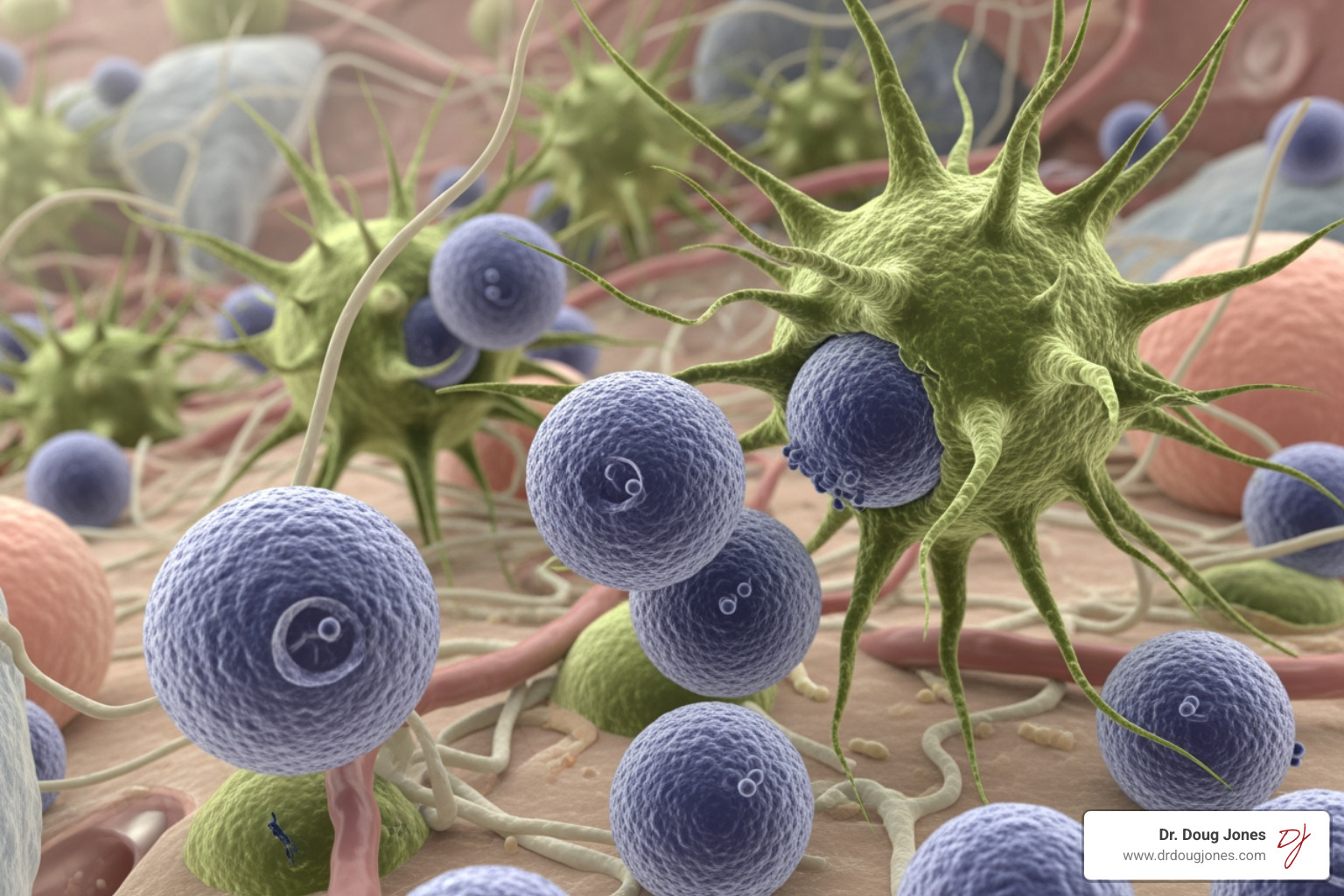
While a wide array of micronutrients are essential, some stand out for their profound impact on immune function. The scientific evidence points most strongly to vitamins C and D, and zinc, as critical players in Comprehensive immune support.
Vitamin C: This powerful antioxidant is more than just a cold remedy. It plays multiple roles in immunity, including supporting various cellular functions of both the innate and adaptive immune systems. It improves the function of phagocytes, supports the proliferation of lymphocytes (T and B cells), and is crucial for the integrity of physical barriers. Its antioxidant properties help protect immune cells from oxidative damage, which can occur during an immune response. Studies have shown that vitamin C supplementation can shorten the duration of the common cold by about 8% in adults and 14% in children, especially in individuals under extreme physical stress or with low baseline levels. For prophylaxis, intakes of 100-200 mg/day may be beneficial, while higher doses around 6 g/day might be needed during active infections.
Vitamin D: Often called the "sunshine vitamin," vitamin D's influence extends far beyond bone health. It broadly impacts both innate and adaptive immunity, modulating immune cell differentiation and function. For instance, active vitamin D (calcitriol) regulates antimicrobial peptides, which are vital components of our innate defenses. It also strengthens gut barrier function by increasing tight junction proteins, a key aspect of our first line of defense. Vitamin D can influence macrophages, dendritic cells, and T cells, helping to balance inflammatory responses. Research suggests that vitamin D supplementation might modestly reduce the risk of respiratory tract infections, particularly when taken daily or weekly and in individuals with lower baseline vitamin D levels. You can find more detailed scientific research on micronutrient supplementation, including vitamin D, at: Scientific research on micronutrient supplementation.
Zinc: This essential trace mineral is a powerhouse for immune health. It's vital for the normal development and function of immune cells, including lymphocytes (T and B cells). Zinc deficiency can severely impair both innate and adaptive immune responses. Adequate zinc intake is crucial for maintaining immune system homeostasis and promoting immune tolerance. It even influences the balance of various T cell types, like inducing regulatory T cells (Treg) and dampening pro-inflammatory Th17 cells. Globally, zinc deficiency is estimated to affect 30% of the population and is a significant contributor to mortality from bacterial diarrhea and pneumonia, especially in children. Zinc supplementation has been shown to shorten the duration of diarrhea in children by about ¾ to 1½ days.
Together, these three micronutrients form a crucial core for robust immune function, highlighting why a comprehensive approach to nutrition is paramount.
Dietary Gaps and Increased Needs
While our bodies are remarkably resilient, they face a constant battle against micronutrient deficiencies. The Recommended Dietary Allowances (RDAs) set by health authorities are generally designed to prevent overt clinical deficiencies. However, when it comes to optimal immune function, these amounts may not always be enough. The complex, integrated immune system needs a higher level of support, especially given the demands of modern life.
Consider this: our daily micronutrient intakes necessary to support optimal immune function may be higher than current recommended dietary allowances. This is particularly true in situations of increased physiological demand. For example, during an infection, our body's need for certain vitamins and minerals skyrockets to fuel the immune response. Chronic stress, a pervasive issue in today's world, can also deplete micronutrient stores, making us more vulnerable. Even environmental factors like pollution can increase oxidative stress, further raising our micronutrient requirements.
The reality is that certain populations, even in industrialized countries, frequently have inadequate dietary micronutrient intakes. These subclinical deficiencies might not manifest as overt disease but can subtly impair our immune system, leaving us less prepared to fight off pathogens. For instance, vitamin A deficiency contributes to 94,500 deaths from diarrhea in children annually, predominantly in sub-Saharan Africa and south Asia. Recognizing these common dietary gaps and increased needs is the first step towards building a truly Comprehensive immune support strategy.
The Fungal Kingdom's Role in Comprehensive Immune Support
Beyond essential vitamins and minerals, the natural world offers a treasure trove of immune-modulating compounds, particularly from the fungal kingdom. Medicinal mushrooms have been revered for centuries in traditional medicine systems for their ability to support health and vitality. Modern mycology and scientific research are now beginning to solve the complex mechanisms behind their profound effects on our immune system, making them an important option within a truly Comprehensive immune support strategy.

Key Immune-Supporting Mushroom Species
While many mushrooms offer health benefits, certain species are particularly renowned for their immune-supporting properties and are frequently combined in broad-spectrum formulas. Here are some key examples of such species and their purported benefits:
- Reishi (Ganoderma lucidum): Known as the "Mushroom of Immortality," Reishi is highly valued for its adaptogenic qualities, helping the body adapt to stress. It contains triterpenoids and polysaccharides that are believed to modulate immune responses, supporting both innate and adaptive immunity.
- Chaga (Inonotus obliquus): This mushroom, often found on birch trees, is packed with antioxidants, including melanin. It's traditionally used to support overall wellness and immune function, with research indicating its compounds may help regulate inflammatory responses.
- Turkey Tail (Trametes versicolor): One of the most researched medicinal mushrooms, Turkey Tail is rich in polysaccharide-K (PSK) and polysaccharopeptide (PSP), compounds extensively studied for their immune-enhancing effects. It's known to support NK cell activity and other aspects of cellular immunity.
- Maitake (Grifola frondosa): Maitake contains beta-glucans, particularly D-fraction, which have been shown to activate various immune cells, including macrophages and NK cells. It's often used to support overall immune vigilance.
- Lion's Mane (Hericium erinaceus): While often praised for its cognitive benefits, Lion's Mane also contains polysaccharides that contribute to immune modulation, particularly in supporting gut health, which is intrinsically linked to immune function.
- Cordyceps (Cordyceps sinensis/militaris): Traditionally used for energy and stamina, Cordyceps contains nucleosides and polysaccharides that may improve immune cell activity and support the body's natural defenses.
These species, and others like them, contribute uniquely to the broad-spectrum effects observed when multiple mushrooms are used together.
Why a Multi-Mushroom Approach is Key for Comprehensive Immune Support
Just as our immune system is multifaceted, so too should be our approach to supporting it. The scientific rationale for using multiple mushroom species for Comprehensive immune support lies in the concept of synergy and broad-spectrum action.
Each mushroom species brings a unique profile of active compounds, and when combined, these compounds can exert an "entourage effect." This means their combined impact is greater than the sum of their individual parts. Different mushroom constituents may target various immune pathways, interact with different immune cell types, and offer diverse benefits, such as enhancing innate immunity, modulating adaptive responses, and providing antioxidant support.
For instance, one mushroom might excel at supporting NK cell activity, while another might be particularly effective at balancing cytokine production. A multi-mushroom blend can provide a more complete and robust approach, aiming to ensure that various aspects of our natural immunity receive targeted support. This broad-spectrum support helps the body adapt to different stressors and challenges, contributing significantly to a truly Comprehensive immune support strategy.
The Science Inside: Active Compounds and Bioavailability
The efficacy of mushroom supplements for immune support largely stems from their unique active compounds and how they are processed.
Primary constituents found in these mushrooms include:
- Polysaccharides: These complex carbohydrates are key immune modulators.
- Beta-glucans: A specific type of polysaccharide, beta-glucans are particularly well-known for their ability to activate immune cells like macrophages and NK cells, enhancing our body's natural defense mechanisms.
- Arabinoxylane: Another type of polysaccharide that contributes to immune function.
- Glycoproteins: Proteins with attached carbohydrate chains that play roles in cell recognition and immune signaling.
- Ergosterols: Precursors to vitamin D, found in fungi, which can contribute to the body's vitamin D status.
- Triterpenoids: These compounds, particularly abundant in Reishi, contribute to the adaptogenic and immune-modulating properties of mushrooms.
The method of preparation is also crucial. Many high-quality formulas use activated, carefully processed mushroom mycelium and fruitbodies to deliver these benefits.
Mycelium is the underground root-like structure of the mushroom, and it's where many of the beneficial compounds are synthesized. Fruitbodies are the visible part of the mushroom. By including both, a formula can capture a wider range of beneficial compounds. The freeze-drying process is one example of a method that preserves delicate, heat-sensitive compounds and enzymes, helping maintain potency and bioavailability. Such methods help to preserve the integrity of the mushroom's full spectrum of nutrients, making them more accessible for our bodies to use effectively for natural immunity.
Building a Comprehensive Immune Strategy
Achieving Comprehensive immune support isn't just about what we consume; it's deeply intertwined with our daily habits and overall well-being. Nutrition is a cornerstone, but it's part of a larger, integrated strategy that includes lifestyle factors.
Five Pillars of a Strong Immune System
The Immune Health Thought Leadership Guide, developed with input from leading experts, suggests five key ways to advantage the immune system. These align perfectly with this comprehensive philosophy:
- Ensure optimal nutrient status and foundational support: This is where our discussion on micronutrients comes in. Adequate intake of vitamins A, D, C, E, B6, B12, folate, zinc, iron, copper, and selenium forms the bedrock of immune health. These nutrients are vital for every stage of the immune response, from maintaining physical barriers to supporting immune cell function.
- Encourage Natural Killer (NK) cell activity for first-line immune defense: NK cells are our body's rapid response team, identifying and destroying infected or cancerous cells. Certain nutrients and mushroom compounds can help boost their activity, providing crucial early protection.
- Boost Th1 response for innate immunity and cell-mediated defense: The Th1 immune response is critical for fighting off intracellular pathogens like viruses and certain bacteria. Supporting this pathway helps our immune system mount a strong, targeted defense.
- Maintain cytokine balance by targeting pathways like NLRP & NF-κB: Cytokines are the chemical messengers of the immune system. While essential, an imbalance can lead to excessive inflammation. Strategies that help regulate pathways like NLRP and NF-κB can ensure a healthy, balanced inflammatory response, which is key for restorative immune function.
- Promote a healthy stress response for restorative immune function: Chronic stress is a known immune suppressor. By supporting our body's ability to manage stress effectively, we allow the immune system to allocate resources more efficiently and recover properly. This includes practices like meditation, yoga, spending time in nature, or simply taking moments for quiet reflection.
These five pillars work synergistically. Addressing one area often positively impacts others, creating a robust and resilient immune system.
Potential Synergies: Combining Botanicals and Micronutrients
The beauty of a Comprehensive immune support approach lies in the potential for synergistic effects between different components. When mushroom compounds and essential micronutrients are combined, their benefits can be amplified, leading to more robust immune modulation.
For example, mushroom beta-glucans are known to activate immune cells. When combined with Vitamin C, which is crucial for immune cell function and protection against oxidative stress, we might see an improved ability of these cells to respond effectively. Similarly, Vitamin D plays a significant role in regulating immune responses and maintaining gut barrier integrity. The polysaccharides and other compounds from mushrooms can further support gut health, creating a powerful interplay that benefits overall immunity. Zinc's complementary role in immune cell development and function, alongside the broad-spectrum effects of various mushroom species, can create a more complete defense strategy.
This is why we advocate for a multi-faceted approach. Instead of relying on a single ingredient, combining the foundational support of key micronutrients with the unique immunomodulatory properties of medicinal mushrooms offers a truly comprehensive and powerful strategy for immune health. This layered approach helps ensure that various aspects of the immune system are supported, from the initial lines of defense to the more specialized adaptive responses.
Who Benefits and How to Choose a Quality Supplement
Comprehensive immune support is not a one-size-fits-all concept, but rather a personalized journey that many can benefit from. Understanding who might gain the most and how to select high-quality products is crucial for effective immune health management.
Identifying Individuals Who May Benefit Most
While everyone can benefit from a well-supported immune system, certain populations or individuals might find Comprehensive immune support particularly advantageous:
- Individuals with high-stress lifestyles: Chronic stress significantly impacts immune function, depleting micronutrient stores and suppressing immune responses. Those under constant pressure can benefit from both nutritional and adaptogenic support.
- Frequent travelers: Exposure to new pathogens and disrupted routines can challenge the immune system. Targeted support can help maintain resilience.
- Aging populations: As we age, our immune system naturally declines (immunosenescence), making older adults more susceptible to infections. Supplementation with key micronutrients like vitamin E has shown promise in improving immune functions in the elderly.
- Individuals with dietary gaps: Despite our best efforts, achieving optimal levels of all essential micronutrients solely through diet can be challenging, especially in modern food environments. Supplementation helps fill these nutritional voids.
- Individuals recovering from illness or with increased requirements: During and after infections, the body's demand for certain nutrients is liftd. Similarly, those dealing with chronic conditions may have ongoing increased needs.
- Individuals seeking proactive wellness: For those who want to actively fortify their body's defenses and maintain peak health, a comprehensive approach offers proactive benefits.
A Consumer's Guide to Choosing a Quality Formula for Comprehensive Immune Support
With a plethora of products on the market, how can consumers differentiate between various "comprehensive immune support" options? We believe in transparency and quality, and here's what to look for:
- Ingredient Transparency and Species Diversity: Look for products that clearly list the mushroom species and other key ingredients included. A multi-species, multi-nutrient approach is important for the synergistic benefits discussed earlier. Be cautious with vague "proprietary blend" labels that do not disclose what is actually in the product.
- Mycelium and Fruitbody Inclusion: A high-quality mushroom supplement should ideally contain both the mycelium (the "root system" of the mushroom) and the fruitbody (the visible mushroom). This ensures a broader spectrum of beneficial compounds and reflects the way many of these organisms function in nature.
- Active Compounds and Bioavailability: Ensure the product highlights the presence of key active compounds like polysaccharides and beta-glucans, and, where relevant, essential vitamins and minerals. Processing methods such as gentle drying or freeze-drying can help preserve these delicate compounds, supporting bioavailability and effectiveness.
- Organic Certification and Purity: Opt for products that are Certified Organic, Non-GMO, and Gluten-Free when possible. This minimizes exposure to pesticides, herbicides, and other unwanted contaminants, ensuring a cleaner product.
- Formulation Expertise and Reputation: Look for formulas developed or endorsed by qualified professionals with expertise in immunology, mycology, or related scientific disciplines. A clear scientific rationale for ingredient selection and dosing is a positive sign.
- Third-Party Testing: While not always listed on a product description, reputable brands often engage in third-party testing for purity, potency, and absence of contaminants. Do not hesitate to inquire about this or look for proof of testing on a company’s website or product literature.
Choosing a quality supplement means looking beyond marketing claims and understanding the science and integrity behind the product. It is about investing in a formula that truly supports your immune system comprehensively.
Conclusion
In our journey toward optimal health, understanding and actively supporting our immune system is paramount. As we've explored, achieving Comprehensive immune support is far more than a simple fix; it's a multi-faceted approach that integrates foundational nutrition, advanced botanical support, and mindful lifestyle choices.
We've seen that our complex immune system relies on a diverse array of micronutrients—vitamins A, D, C, E, B6, B12, folate, zinc, iron, copper, and selenium—each playing vital, often synergistic roles. Deficiencies, even marginal ones, can compromise our defenses, and our daily needs may often exceed standard dietary allowances, especially when facing modern stressors like infection, pollution, and chronic stress.
We also digd into the remarkable contributions of the fungal kingdom, recognizing how medicinal mushrooms, with their rich profiles of polysaccharides, beta-glucans, and triterpenoids, offer powerful immunomodulatory benefits. The wisdom of a multi-mushroom approach, delivering a broad spectrum of support, truly exemplifies a comprehensive strategy.
Building a bulletproof body requires embracing a comprehensive immune strategy, encompassing five key pillars: ensuring optimal nutrient status, encouraging NK cell activity, boosting Th1 responses, maintaining cytokine balance, and promoting a healthy stress response. This means nourishing our bodies with nutrient-dense foods, prioritizing restorative sleep, managing stress effectively, engaging in regular physical activity, and strategically using targeted, high-quality supplementation when diet alone isn't enough.
As Dr. Doug Jones, a board-certified immunologist, I believe in empowering individuals with knowledge and evidence-based strategies for their health. My approach to complex immune challenges focuses on applying established scientific principles to enhance immune function and promote overall well-being. By adopting this comprehensive mindset, we can all take proactive steps to fortify our natural immunity and cultivate a resilient, vibrant life.
For further insights into navigating complex immune challenges and finding personalized strategies for your health, we invite you to explore more of our resources: Understanding Post-Vaccine Syndrome: Giving a Voice to the Unheard.